
Biography
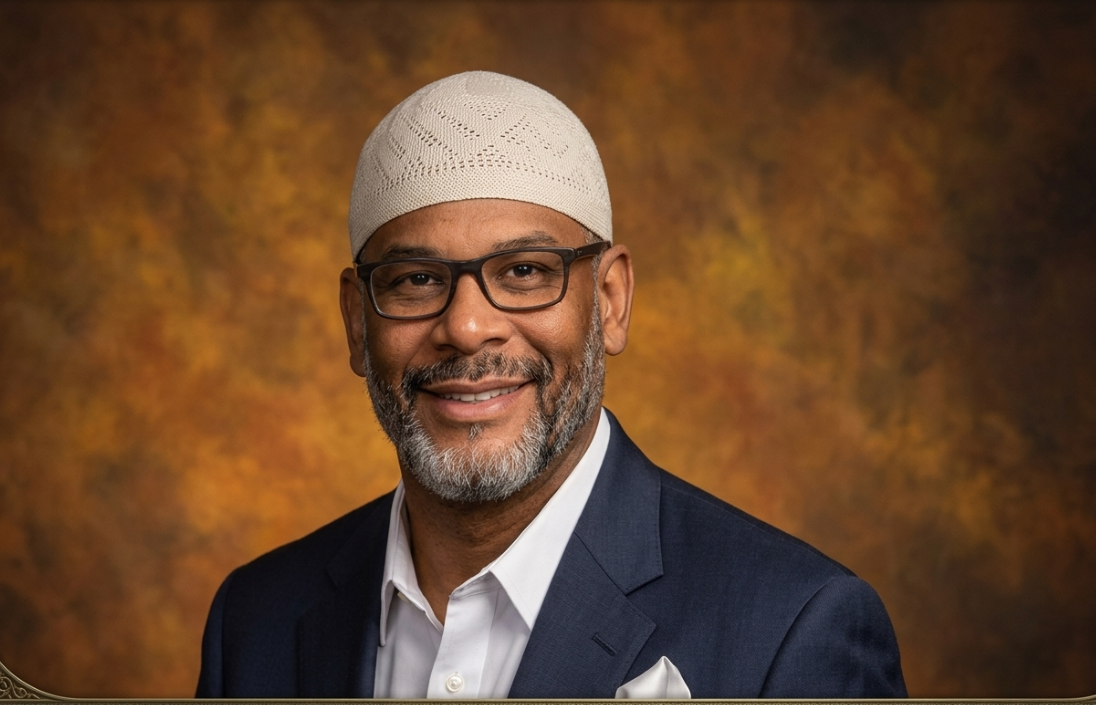
Harold Cunningham Jr.
Writer · Advocate · Prison Reform Leader
Harold Cunningham is an author, advocate, mentor, debate leader, and prominent prison reform activist. His life journey represents both the severe toll of systemic failure and the extraordinary capacity for human transformation. After surviving more than three decades inside the American carceral system including over twenty years in solitary confinement he has emerged as a powerful voice for institutional reform, mental health awareness, and the dignity of incarcerated individuals.
A Childhood of Neglect
Born and raised in Washington, D.C., Mr. Cunningham's childhood was defined by severe instability and systemic neglect. By the age of ten, he was forced to navigate an environment marked by daily trauma, police brutality, and lethal violence.
Though educational records from his youth documented learning disabilities and a measured IQ of 68, he was denied meaningful mental health interventions or therapeutic support. Instead, his expressions of psychological distress were treated as behavioral infractions. At just ten years old, he was removed from his community and placed into regional juvenile detention facilities in Washington, D.C. and Maryland. Inside these institutions later exposed through class-action litigation for a forty-year history of systemic physical, mental, and sexual abuse his early cries for help went entirely ignored.
Three Decades in the Federal System
The patterns of institutional abuse followed Mr. Cunningham into the adult federal prison system, where he would spend the next thirty years. He was held in some of the nation's most violent and restrictive penitentiaries, including Marion, ADX Florence, Lorton ("The Wall"), Victorville, Coleman, Beaumont, and the D.C. Jail system.
More than two decades of his adult sentence were spent in solitary confinement under conditions later ruled unconstitutional. Throughout these years of extreme isolation, he endured profound physical and psychological suffering, including forced feedings, restraint chair confinement, and routine institutional violence.
Transformation Through Faith and Education
Rather than allowing these conditions to break him, Mr. Cunningham underwent a profound personal transformation driven by faith, education, and creative expression. Over time, he became a deeply respected mentor and leader among both residents and institutional staff.
As a leading member of the groundbreaking D.C. Jail Debate Team, he helped command national attention by participating in debates inside the U.S. District Court for the District of Columbia. Facing opponents from major universities, he debated complex public policies surrounding voting rights, life without parole, and the ethics of solitary confinement showcasing the intellectual capacity and humanity of incarcerated people.
To formalize his advocacy, Mr. Cunningham founded Inside Mental Injustice (IMI), an organization dedicated to mental health awareness, storytelling, and rehabilitation. His creative work as a poet gained public acclaim through a partnership with the University of the District of Columbia, which adapted his poetry into live musical performances. His journey of resilience has been featured in major media outlets, notably The Washington Post, which recognized him as a national symbol of rehabilitation.
Political History in the Making
In 2025, Mr. Cunningham made political history by becoming an elected Advisory Neighborhood Commission (ANC) Commissioner in Washington, D.C., representing incarcerated residents within the D.C. Department of Corrections including the Correctional Treatment Facility (CTF), the Central Detention Facility (CDF), and the Harriet Tubman Women's Shelter. He was subsequently elected by his peers as the first-ever incarcerated Vice Chair of an ANC district. In this official legislative capacity, he has championed critical policy reforms targeting mental health treatment, educational access, contact visits, nutritional standards, and humane living conditions.
Today
Today, Harold Cunningham continues to write, mentor, and advocate while awaiting the outcome of ongoing legal proceedings in his criminal case. He remains unyielding in his mission to ensure that those behind prison walls are never forgotten, dedicating his life to proving that no human being is beyond the reach of redemption, education, and ultimate rehabilitation.
Stand with Harold. Fund the mission.
Your support keeps the films made, the podcasts recorded, and the fight for those still inside alive.